
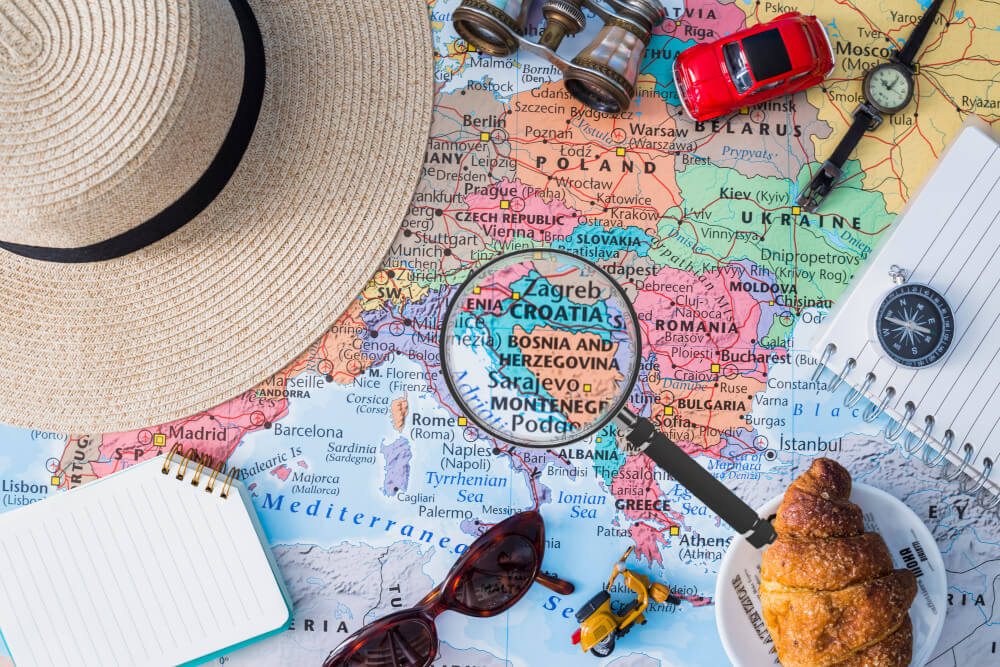
Croatia has been attracting investors and those dreaming of their own place on the Adriatic for years. Its sunny climate, developed tourism, stable market, and wide variety of regions make purchasing property in Croatia both an excellent investment and a way to enjoy a comfortable lifestyle. However, choosing the right location—a large city, a smaller town, or an island—is crucial. Below, you’ll find a comparison to help you make an informed decision.
Large tourist cities – Zagreb, Split, Dubrovnik, Rijeka
Buying property in Croatia largest tourist cities offers access to comprehensive infrastructure and extensive investment opportunities. Split and Dubrovnik offer intense, year-round tourism, guaranteeing high occupancy rates for short-term rentals. Zagreb, on the other hand, attracts visitors with its stability and reduced seasonality, making it an excellent base for those planning to relocate or purchase for long-term rentals. Additional advantages of large cities include well-developed transportation, a rich cultural offering, modern development projects, and high market liquidity—selling properties in such locations is usually faster and easier.
It’s worth remembering, however, that apartments and houses in large cities are associated with higher prices—especially in the most prestigious locations. The summer season can also be very crowded, which increases the cost of living and can impact residents’ comfort. The rental market is highly competitive, and strictly tourism-oriented investments require a sound strategy to fully capitalize on seasonal demand.
Smaller towns and islands
Smaller coastal towns and islands, on the other hand, offer a completely different lifestyle — quieter, more local, and with a distinctly traditional feel. Prices of property in Croatia are often more favorable, and buyers can expect larger spaces, beautiful views, and an authentic atmosphere lacking in large metropolises. Such destinations primarily attract those seeking a vacation home or a peaceful, permanent haven, as well as investors seeking long-term value appreciation in developing regions.
Despite their numerous advantages, smaller towns are not without challenges. Infrastructure can be limited—some services are closed during the off-season, and transport connections can be less frequent. The market is less fluid, meaning a sale may take longer. Tourist rentals in such places can be profitable, but require patience and an acceptance of significant seasonality.
Comparison of Croatian regions
Istria (Rovinj, Pula)
A region with a unique, distinctly Italian atmosphere, well-connected and highly valued by buyers from Western Europe. A stable premium market, higher prices, and high investment security.
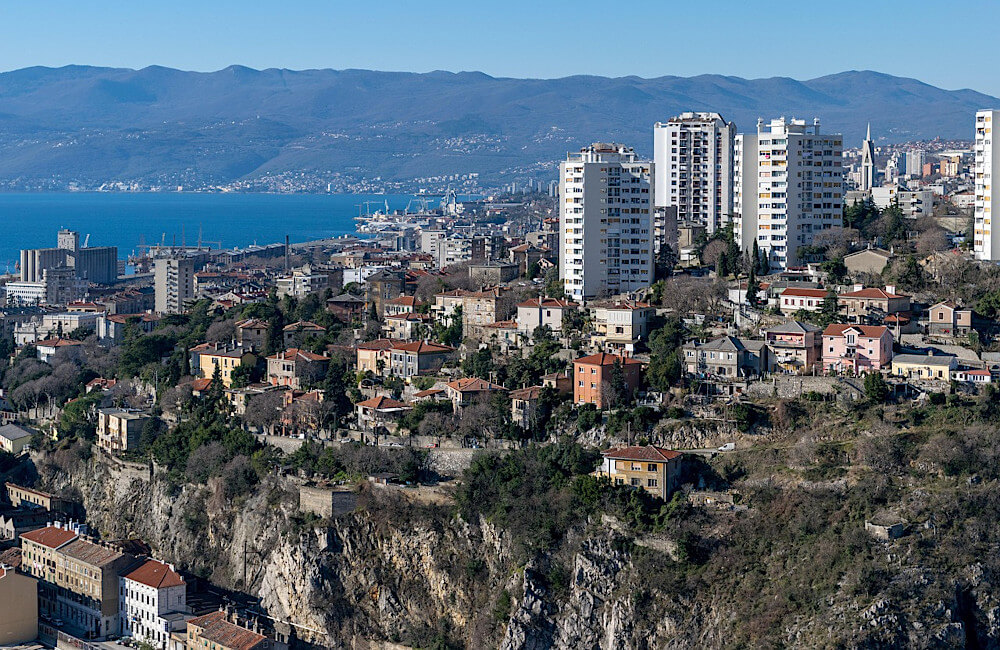
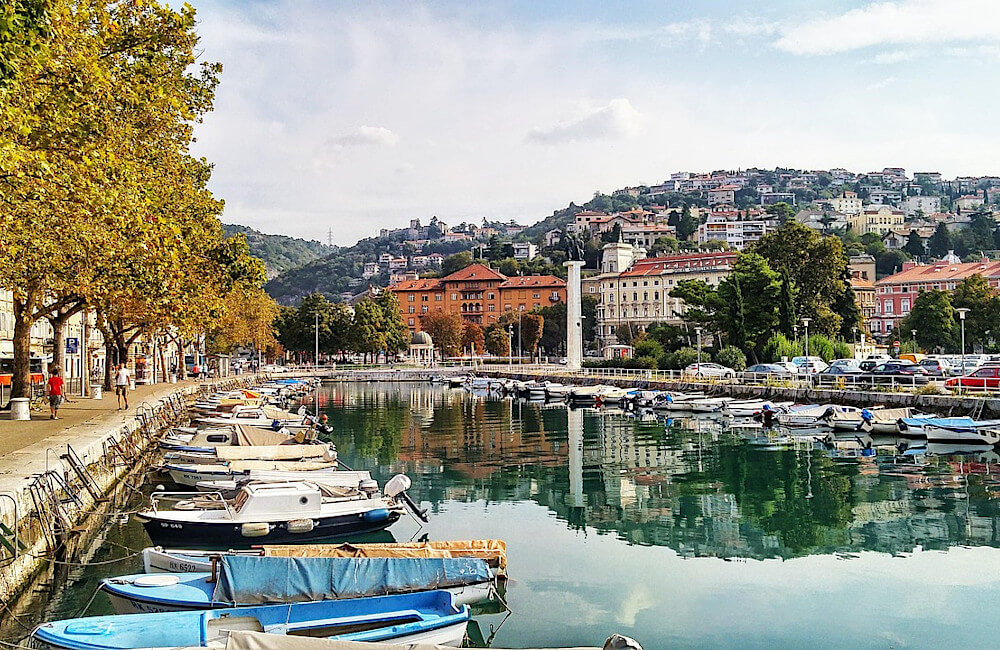
Kvarner (Rijeka, island Krk, Cres)
Ideal for those who value a good balance between price and infrastructure. Its proximity to Italy and Slovenia attracts tourists year-round.
Gallery Rijeka
Dalmatia (Split, Šibenik, Trogir, Dubrovnik)
The most dynamic tourist region. High prices in top cities, but also many places with excellent value for money.
Gallery: Split, Trogir


Inland regions (Zagreb, Slavonia)
The capital is the least seasonal market in the entire country. Slavonia is the cheapest, but less attractive from a tourist rental perspective.
Law and practical tips for buyers
The regulations for purchasing property in Croatia are relatively friendly, especially for European Union citizens. Citizens from EU countries enjoy almost identical rights to Croatians, making the purchase process straightforward and requiring no additional administrative approvals. However, non-EU citizens must verify the principle of reciprocity and, in some cases, obtain approval from the relevant ministry—this step can lengthen the process and involve additional paperwork.
Another important element of any purchase is a thorough review of the legal documentation for property in Croatia. Land and mortgage registers, plot status, building permits, and any legal encumbrances are all issues that can have a real impact on the value and security of the transaction. It’s also worth keeping an eye on tax changes—Croatia regularly updates its regulations regarding fiscal burdens, including rental taxes and changes to vacancy rates, which can be important for investors.

Are you interested in buying or renting property in Croatia?
We invite you to cooperate with the professional Nestovia Real Estate Agency!
Why is it worth cooperating with Nestovia?
Purchasing property in Croatia is an undertaking requiring knowledge, experience, and excellent understanding of the local market. Nestovia Real Estate specializes in serving both Polish and international clients and offers comprehensive assistance—from selecting the right offers, through document verification, to post-purchase support. This saves a significant amount of time, ensures a secure transaction, and guarantees that the property you choose will truly meet your needs—whether you’re looking for an investment, a move, or to fulfill your dream of a vacation home on the Adriatic.
Summary – what to choose?
The final choice of location depends primarily on your goals. If you’re looking for a stable market, extensive infrastructure, and high rental income, Croatia’s large cities are the right choice. However, if you’re looking for peace, lower prices, and a more authentic atmosphere, smaller towns or islands may be the perfect solution. Regardless of your choice, it’s worth seeking the help of a professional agency like Nestovia to ensure your search of property in Croatia and the entire process run smoothly, safely, and with the best possible results.
